If you have ever left the house feeling confident, only to feel that familiar “do I smell?” tug later in the day, you already understand the real problem behind fresh breath products. It is not vanity. It is oral comfort, social confidence, and sometimes the anxiety of not knowing whether something in your mouth is off.

Fresh breath supplements sit right in that gap between everyday hygiene and deeper causes like gum inflammation or tonsil issues. Some people love them. Others feel like they paid for expensive mint water. The truth, based on what I see working with patients and hearing from readers, is more nuanced. They can help in specific situations, but they are not a substitute for fixing the root cause.
What fresh breath supplements can realistically do for oral health
Most fresh breath supplement brands are aiming at one of a few mechanisms. The most common theme is reducing the odor compounds that bacteria produce when they break down food debris and proteins. Another approach is supporting a healthier oral environment, sometimes by influencing saliva flow or adding ingredients that are believed to be supportive.
Here is the key reality: breath odor is usually driven by what is happening in the mouth, not just what you put on it.
A supplement may help if the odor is mainly coming from routine daily factors, such as: - A longer time between meals - Dry mouth from stress, sleep, or certain medications - Mild food residue build up along the tongue or between teeth - A pattern of morning breath that improves as the day goes on
A supplement is far less likely to be a true fix if the cause is more structural, like untreated gum disease, chronic bleeding gums, deep pockets, or persistent tonsil stones. In those cases, odor may improve temporarily, but it often returns because the underlying source remains.
A quick lived-experience note
I have had patients who told me, “It seems like the supplement helped me for a while.” When we also cleaned up their tongue routine and improved interdental care, the benefit felt more consistent. The supplement did not magically erase the issue. It acted like an extra layer of support while they addressed the places bacteria like to hang out.
The benefits people actually notice (and what that can mean)
When fresh breath supplement benefits are real, people usually report one or more of these effects. They are not always dramatic, but they are noticeable.

Common benefits
Less “morning funk” that fades later in the day Reduced odor after meals even when they cannot brush right away A calmer feeling about breath during workdays or travel Improved comfort when dry mouth is part of the picture Better confidence in close conversationsThat said, I encourage readers to treat “better breath” as a signal, not a diagnosis. If a supplement helps, it can mean you are in the category where oral odor is driven by everyday bacterial activity that can be influenced. If it does not help at all after a reasonable trial, it can mean the cause is outside what the supplement can address.
It is also worth being honest about timing. Many products are not built for instant results, so expecting a within-five-minutes transformation can set you up to feel disappointed. Breath issues often behave like a pattern, and supplements tend to work best when you give them time and pair them with consistent oral care.
How to choose among “best fresh breath supplements” without falling for hype
Shopping for the best fresh breath supplements can feel overwhelming, especially when every label promises freshness and all-day confidence. What I look for is less about the marketing and more about how you will use it and whether it matches your likely cause.
Here are the practical criteria that tend to matter most:
- Ingredient transparency: You should be able to read what is in it and understand the general type of support it claims. Fit for your routine: If you already brush twice daily and floss or use interdental cleaning, you may need less help than someone who struggles with daily coverage. No unrealistic promises: If the product claims it “neutralizes all odors instantly,” be cautious. Gentle tolerability: If you get stomach upset or feel “off” after taking it, that matters. Oral care habits fail when a supplement becomes a battle. Alignment with dry-mouth reality: If you regularly wake up with a dry mouth, choose products that aim to support a healthier oral environment rather than only masking.
Natural breath fresheners vs. supplements
Some people start with natural breath fresheners like mints, sprays, or teas. Those can help with temporary odor, but they do not necessarily address what is happening deeper in the mouth. Natural options may also contain sugar alcohols or flavors that can be fine for many people, but not all.
Supplements, on the other hand, are often chosen when you want something that supports you across the day. The best approach I have seen is matching the tool to the need, not forcing one product to do every job.
When supplements help, and when they are a red flag
Fresh breath supplement benefits can be genuine, but they should not be used to ignore warning signs.
If your breath has a persistent, strong odor that does not improve with consistent daily oral care, that is often your cue to look deeper. Gum inflammation, periodontal pockets, and chronic plaque retention can all contribute to odor. So can issues that are not strictly “dental,” such as recurring tonsil stones, but you still deserve a proper evaluation.
Consider treating these situations as a reason to pause and get assessed rather than doubling down on supplements: - Bleeding gums when you brush or floss - Pain, swelling, or visible inflammation - Persistent bad breath despite careful brushing, tongue cleaning, and interdental care - Loose teeth or changes in bite comfort - Dry mouth that is frequent or severe
If you are dealing with any of those, the most useful oral supplements for bad breath may end up being the ones that support you while you address the real cause through dental care. In practice, supplements can be helpful during that process, but they should not replace it.
An important edge case: dry mouth
Dry mouth is one of the more common reasons people reach for oral breath support. It is also one of the trickiest, because the fix depends on why your mouth is dry in the first place, such as medications, mouth breathing at night, hydration habits, or salivary gland issues.
A supplement might offer a little help, but if the dryness is significant, you will usually get better results addressing the driver directly.
Building an “evidence-based” fresh-breath routine at home
Even the best fresh breath supplements cannot outperform a solid baseline. The good news is you do not need a complicated routine, just consistent coverage of the places odor can start.
Most of the people who get the best results do three things reliably: clean the tooth surfaces, disrupt plaque between teeth, and keep the tongue from becoming a storage space for odor-causing residue.
If you want a simple routine to pair with a supplement, focus on these:
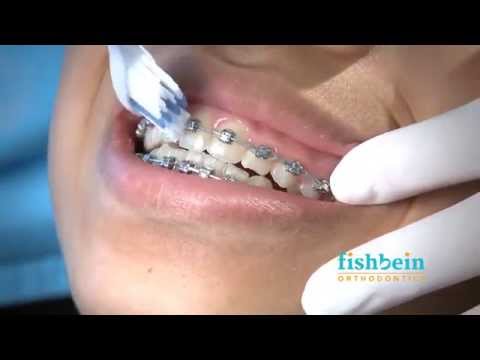
Brush with good technique twice daily, especially along the gumline Clean between teeth daily using floss or interdental brushes Include tongue cleaning gently, often once per day at minimum Stay hydrated, and reassess if your mouth feels dry often Use a temporary breath aid strategically, like after meals when you cannot brushThis is also where judgment comes in. If you are not doing interdental cleaning regularly, a supplement might feel like it is “working” for a BioDentex reviews and ratings week and then wearing off. When you fix the mechanical part, the supplement often becomes more helpful instead of simply masking the problem.
If you are considering an oral supplement for bad breath, think of it as a supportive layer. Choose it carefully, give it a realistic trial, and watch what changes in your daily life. Better breath that holds up across the week while your gums look and feel healthier is the kind of outcome worth trusting.